

Through its co-leadership of a session at the International Institute for Sustainable Development (IISD) Trade + Sustainability Hub 2026, FSC, alongside the Roundtable on Sustainable Palm Oil (RSPO), contributed to advancing a more nuanced and forward-looking dialogue on trade and sustainability. 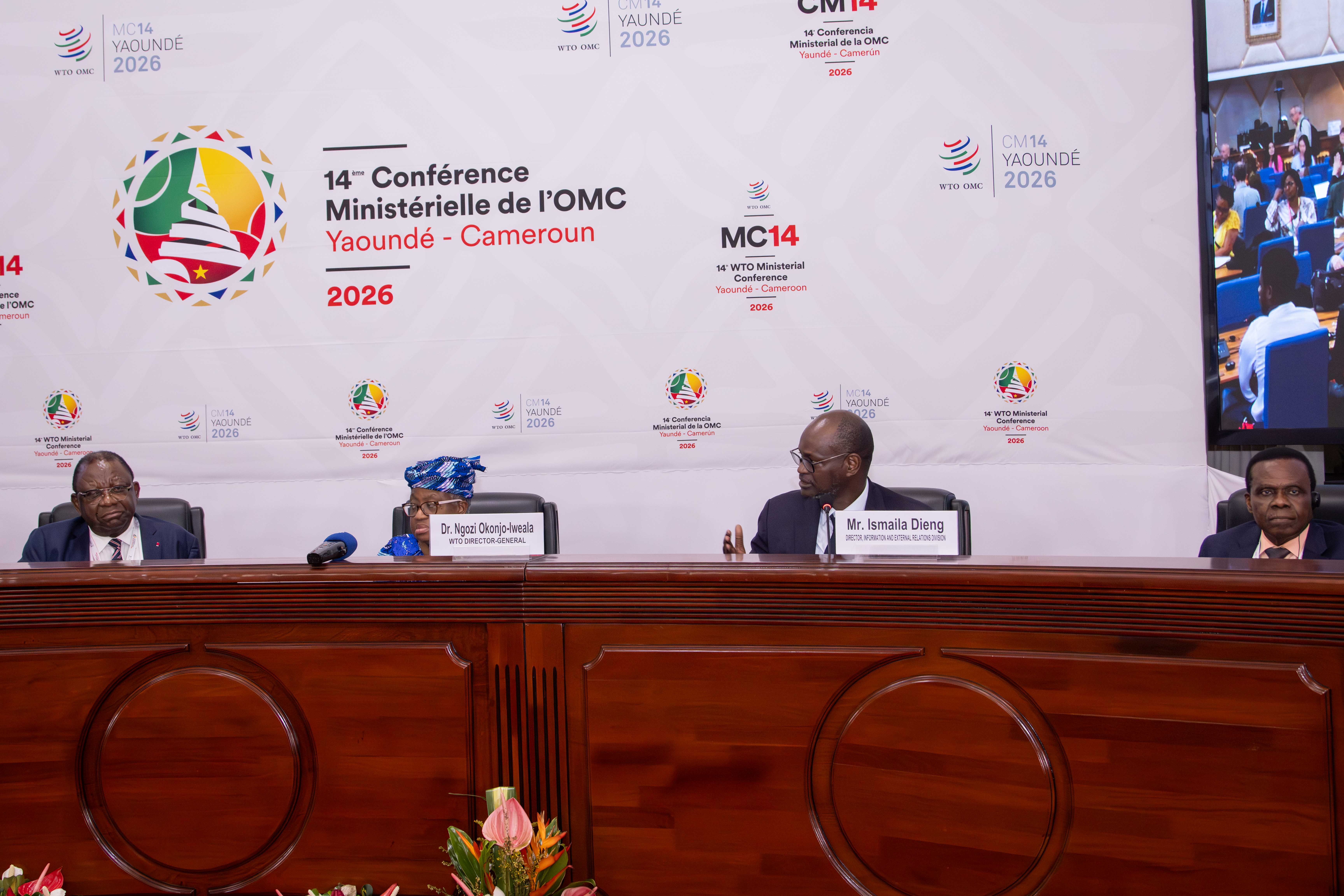
The Trade + Sustainability Hub convened over 35 partner organisations, 90 speakers, and more than 1,400 participants from governments, the private sector, civil society, and international institutions. Discussions centred on a critical policy question: how trade frameworks can better align with global sustainability imperatives while supporting inclusive economic development.
Repositioning sustainability standards in global trade
The FSC–RSPO session brought together perspectives from the WTO, African stakeholders, the private sector, and certification bodies to examine a longstanding and complex issue: whether voluntary sustainability standards function as enablers of sustainable development or are perceived as barriers to trade.
This debate has historically shaped relations between the Global North and South. Sustainability standards developed in Europe and North America have often been viewed with caution by developing countries, particularly where they are perceived as non-tariff measures that may limit competitiveness. 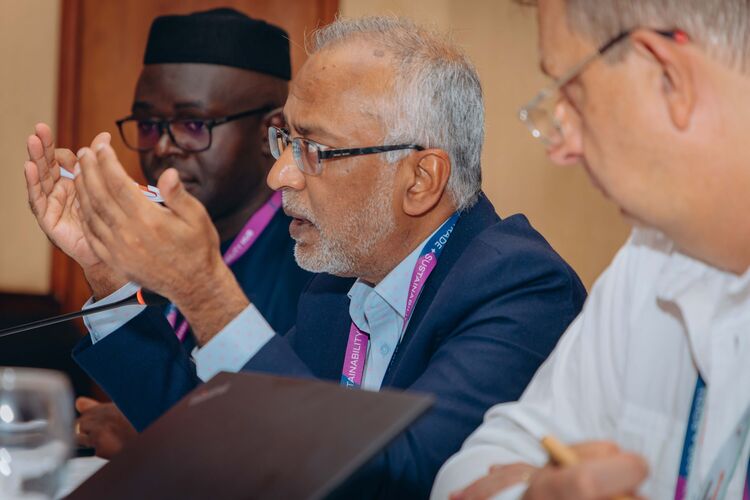
FSC and RSPO emphasised that, while these concerns reflect legitimate considerations around equity and market access, voluntary sustainability standards are designed to provide globally consistent yet locally adapted frameworks.
FSC standards, for example, are developed through a multi-stakeholder, consensus-based process and adapted at national level to reflect local ecological, social, and economic conditions.
This approach ensures that standards remain inclusive, context-sensitive, and responsive to the realities faced by producers. Encouragingly, a shift in perception is emerging.
As highlighted by WTO representatives during the session, demand for VSS is increasingly being driven by both developed and developing economies. Standards that were once regarded primarily as compliance requirements are now being recognized as tools that can enhance market positioning and unlock access to markets. Africa is particularly well placed to capitalise on this shift.
Evidence shared during the session underscored the continent’s potential green comparative advantage, with certain African value chains demonstrating significantly lower carbon footprints compared to their global counterparts.
The strategic question for policymakers is how trade systems and market incentives can better recognise and reward these advantages.
"Business as usual is no longer an option for African exporters. By integrating FSC and RSPO standards into the very fabric of trade policy, the continent can turn regulatory challenges into a competitive advantage." Daniel Ramos, WTO — FSC-RSPO Session, Trade + Sustainability Hub 2026
The smallholder challenge
A central theme of the discussion was the need to ensure that smallholders are not left behind in the transition to sustainable trade. In sectors such as palm oil, smallholders represent a significant share of production in Africa, yet their participation in certification systems remains limited.
Structural challenges persist, including limited access to formal land tenure, the complexity of compliance requirements, and the cost of certification. Increasing reliance on geo-location data and traceability systems further compounds these barriers. 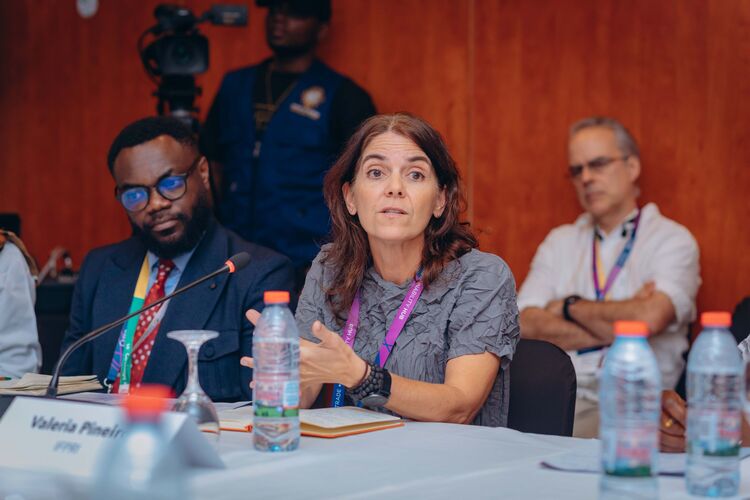
Both FSC and RSPO are taking steps to address these challenges. RSPO has established targeted support mechanisms for smallholders and is developing adapted tools to facilitate certification.
FSC highlighted the potential of emerging technologies, including digital monitoring and artificial intelligence, to streamline compliance processes and reduce administrative burdens. However, stakeholders at the session emphasised that technology alone is not sufficient. There is a need for more equitable cost-sharing across value chains to ensure that the financial and operational burden of certification does not fall disproportionately on producers.
Realising the full value of certification requires stronger market signals, including more consistent price premiums and demand for certified products. But technology alone will not resolve what is fundamentally a question of political economy.
Busse and Quentin Meunier of Olam argued that the burden cannot reasonably be expected to fall on producers alone. A sustainable model requires cost-sharing along the value chain — from producer to processor, trader to retailer — and ultimately a reimagining of certification as an ecosystem investment rather than a compliance exercise.
Cameroon at the crossroads
The choice of Yaoundé as the host city underscored the strategic importance of the Congo Basin in global climate and biodiversity agendas. Cameroon, with its significant forest resources and expanding certified forest area, represents both an opportunity and a test case for aligning trade, environmental policy, and sustainable forest management.
Panellists emphasised the role of governments in creating enabling policy environments. Aligning national regulatory frameworks with voluntary sustainability standards can reduce duplication, lower compliance costs, and provide clearer market signals. Integrating VSS into national strategies can also strengthen governance, improve resource management, and enhance the credibility of exports in international markets.
The discussion highlighted the importance of moving beyond parallel systems—where certification and regulation operate independently—toward more integrated approaches that maximise synergies and efficiency.
Reframing the debate
The FSC–RSPO session contributed to reframing the broader discourse on sustainability standards. Rather than viewing VSS as inherently beneficial or detrimental, participants highlighted the importance of understanding them as tools whose impact depends on governance, inclusiveness, and implementation.
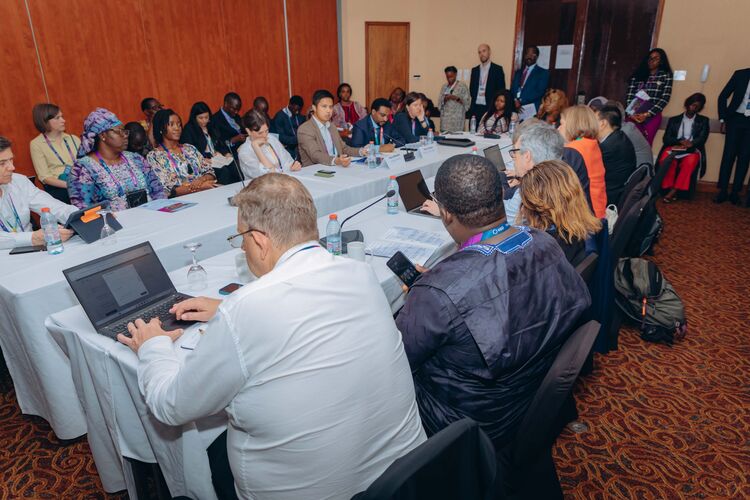 This perspective is particularly relevant in multilateral trade discussions, where sustainability measures have often been contested. A growing coalition of actors from the Global South—including governments, producers, and civil society—is increasingly engaging with VSS as instruments for value creation, resilience, and market differentiation.
FSC’s engagement at MC14 reflects a strategic commitment to positioning responsible forest management within the global trade agenda. It underscores the organisation’s role not only in setting standards but also in shaping the enabling conditions for sustainable and inclusive trade.
"Africa has the forests and the resources, but must adopt a business mindset to ensure voluntary sustainability standards work together for the continent's benefit." Gerard Busse, Regional Market Development Manager, FSC Africa & Middle East