

The defining question before the Congress was clear: How does Africa transform its vast forest heritage into sustainable production, investable assets, and long-term prosperity without compromising ecological integrity or social justice? In Nairobi, the contours of that answer began to take shape.
Kenya: governance, production, and trade integration
The morning plenary opened with a structured recap of Day 1’s commitments before pivoting to national implementation.
Political leadership: climate responsibility and economic resilience
Dr. Deborah Mlongo Barasa, Cabinet Secretary for Environment, Climate Change and Forestry of the Republic of Kenya, reinforced the political foundation required for scale in the day’s first keynote.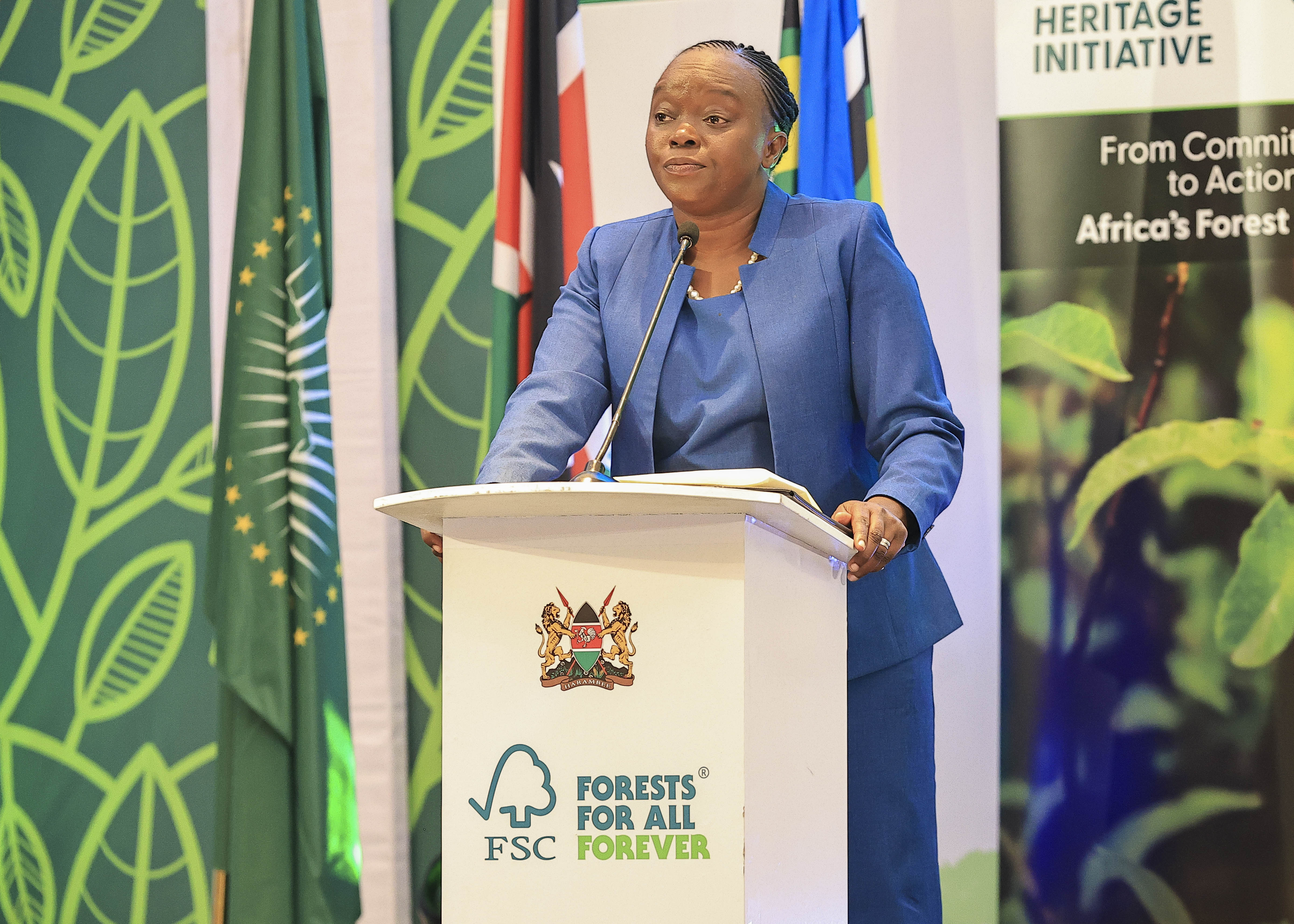
“Kenya has set ambitious targets under the national 15-billion-tree growing programme, aligned with global, regional, and national commitments on environmental sustainability,” said Dr. Barasa. She reaffirmed Kenya’s support for the Zámba Heritage Initiative, noting that the country has implemented measures to increase forest and tree cover—efforts the initiative could help accelerate.
Republic of Congo: structured management at scale
Dr. Rosalie Matondo, Minister of Forest Economy of the Republic of Congo, shared reflections in the second keynote, informed by the 2024 International Conference on Afforestation and Reforestation in Brazzaville.
Congo stewards 23.5 million hectares of forest—approximately 69% of its national territory—with over 3.5 million hectares certified under FSC standards and deforestation maintained below 1%. “Managing our forests sustainably is not an option. It is a responsibility we owe to our people, our biodiversity, and our planet.”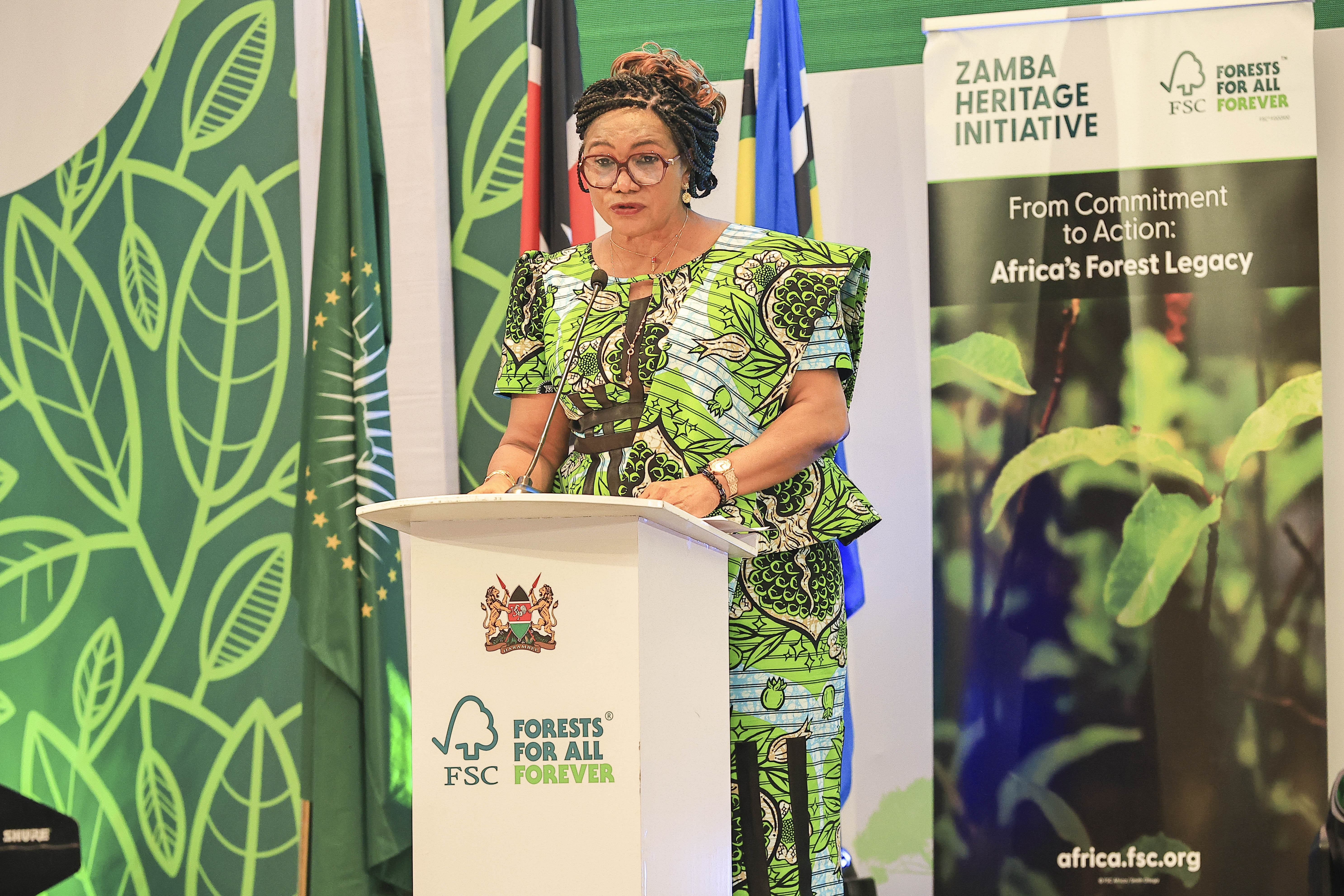
Her intervention highlighted how certification, legality systems, and domestic industrial transformation can reinforce one another. Congo’s concession-based management model demonstrates that sustainable use and economic competitiveness are not contradictory—they are complementary. In this context, sustainability is strategy.
Ministerial roundtable: from commitment to action
Following Minister Matondo’s keynote, a ministerial roundtable explored the key needs and opportunities to unlock Africa’s potential. This high-level panel brought together ministers, ambassadors, and institutional leaders, including:
- Dr. Douty Chichamba, Permanent Secretary, Ministry of Green Economy and Environment, Zambia
- H.E. Ambassador Dr. Aurélie Flore Koumba Pambo, Co-Facilitator, Congo Basin Forest Partnership (CBFP) & Ambassador-at-Large, Gabon
- Dr. Rosalie Matondo, Minister of Forest Economy, Republic of Congo
- Dr. Deborah Mlongo Barasa, Cabinet Secretary for Environment, Climate Change and Forestry, Kenya
- Dr. Emmanuel Tsadok, Congo Basin Forest Partnership and Representative of the DRC Minister of Environment and Sustainable Development
- Dr. Subhra Bhattacharjee, Director General, Forest Stewardship Council (FSC)
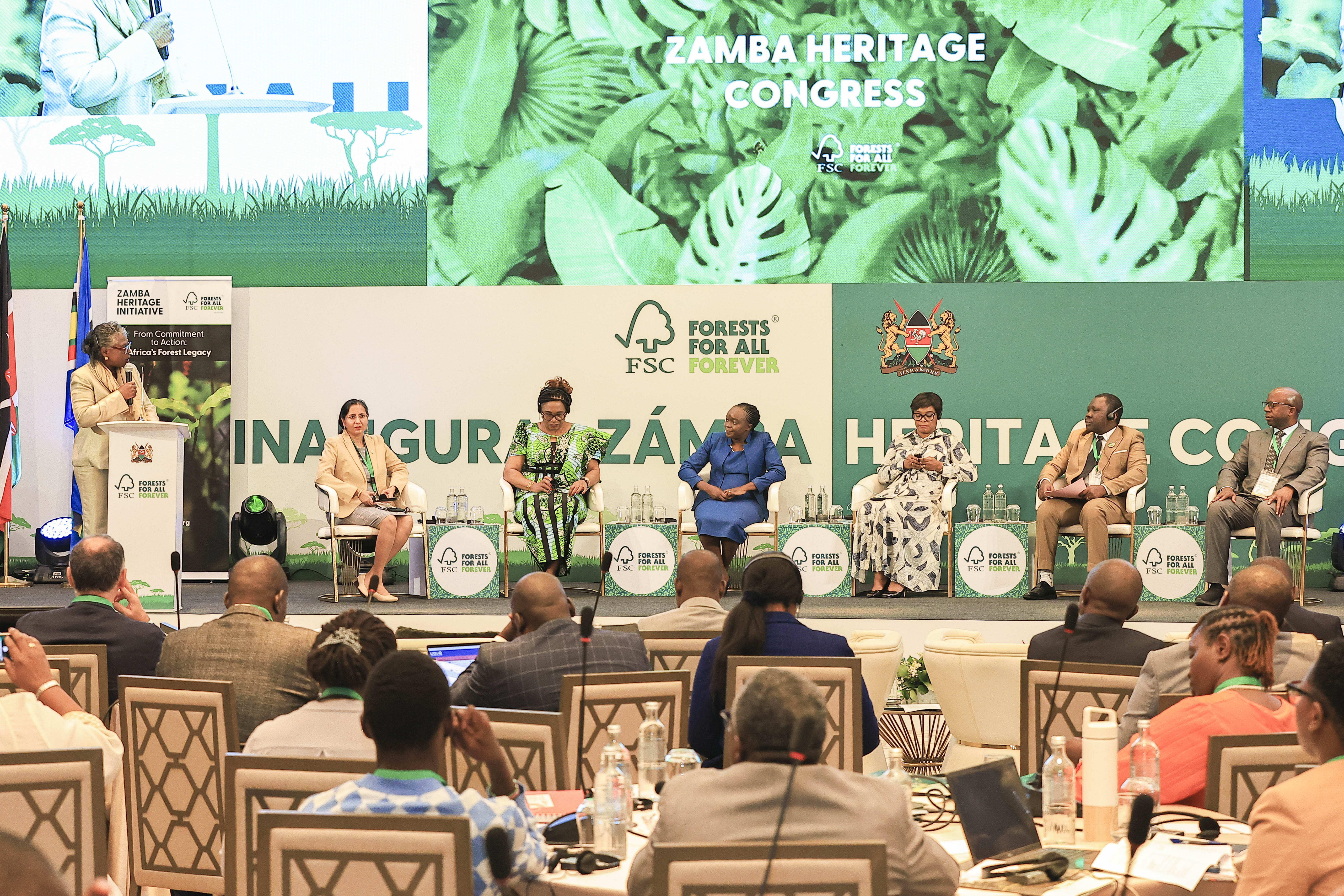 The discussion explored how African nations can shift from high-level pledges to the on-the-ground implementation of the Zámba Heritage Action Plan—a 10-year agenda to expand sustainable forest management, restoration, manufacturing, jobs, and green value chains.
Financing the transition: from constraint to innovation
Delivering the third keynote on forest finance, Peter Gondo, former Secretariat official of the United Nations Forum on Forests (UNFF), provided a candid assessment of the continent’s landscape.
The African Forest Landscape Restoration Initiative (AFR100), targeting 100 million hectares of restoration, requires an estimated USD 75–100 billion. Yet, donor funding remains volatile and domestic public financing is constrained by debt burdens.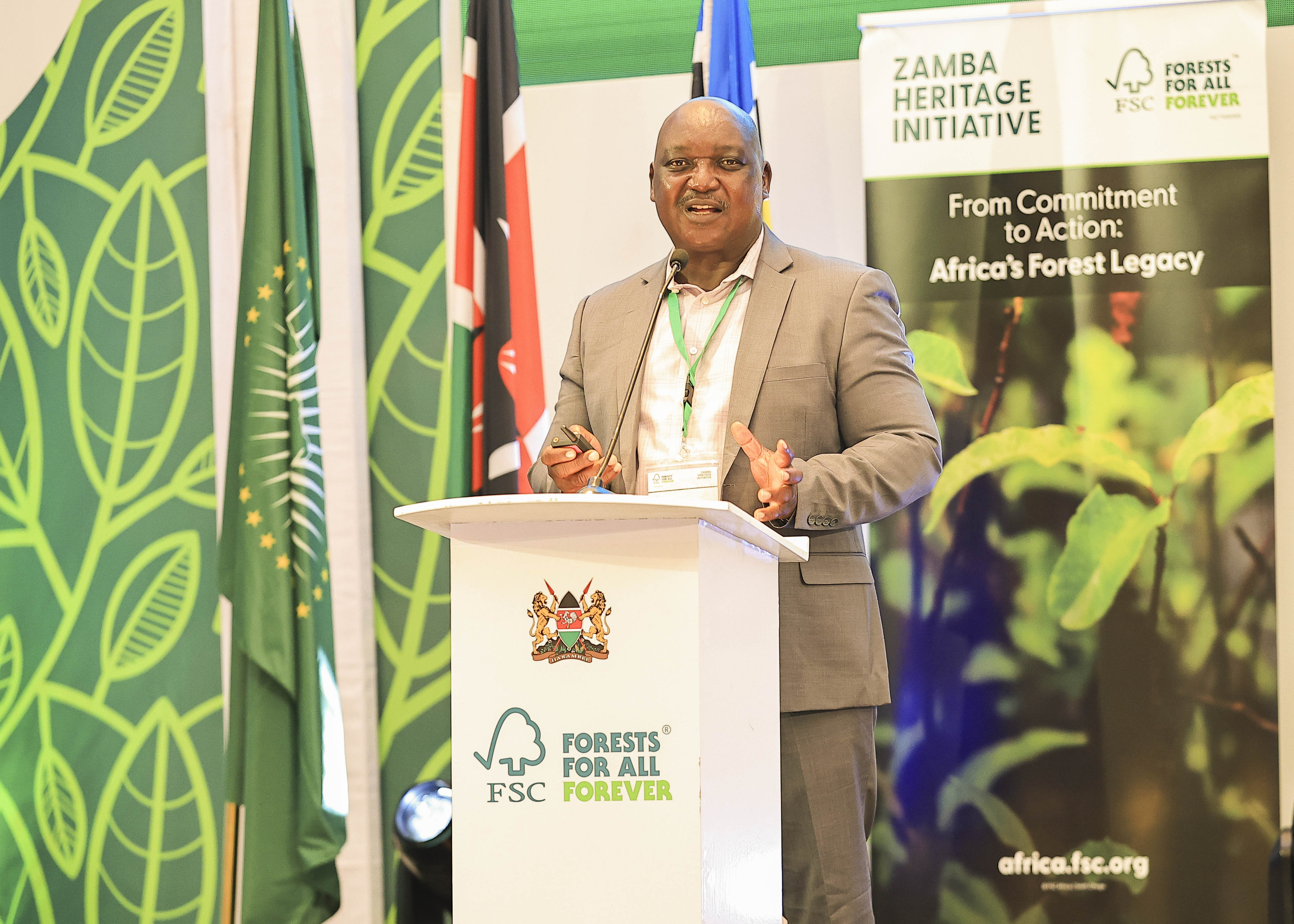
“Our chances of increasing domestic public financing are limited,” he noted. “Donor funding is based on political goodwill; it is not stable.”
With traditional channels strained, Gondo emphasized the need to engage financial institutions to design tailor-made products for restoration, plantation development, and agroforestry. Security of tenure and the permanence of forest land use, he stressed, are non-negotiable. “If you are a private person with money in your pocket, you are not going to invest it where the forest might one day be converted to housing.”
Beyond assetization: a vision for transformative change
Dr. Yemi Katerere’s keynote deepened the discussion, framing sustainable forest management as a systemic transformation rather than a mere funding line item. He observed that funding remains the greatest barrier to halting deforestation, particularly amid weakening multilateral cooperation and the increasing “financialization” of nature.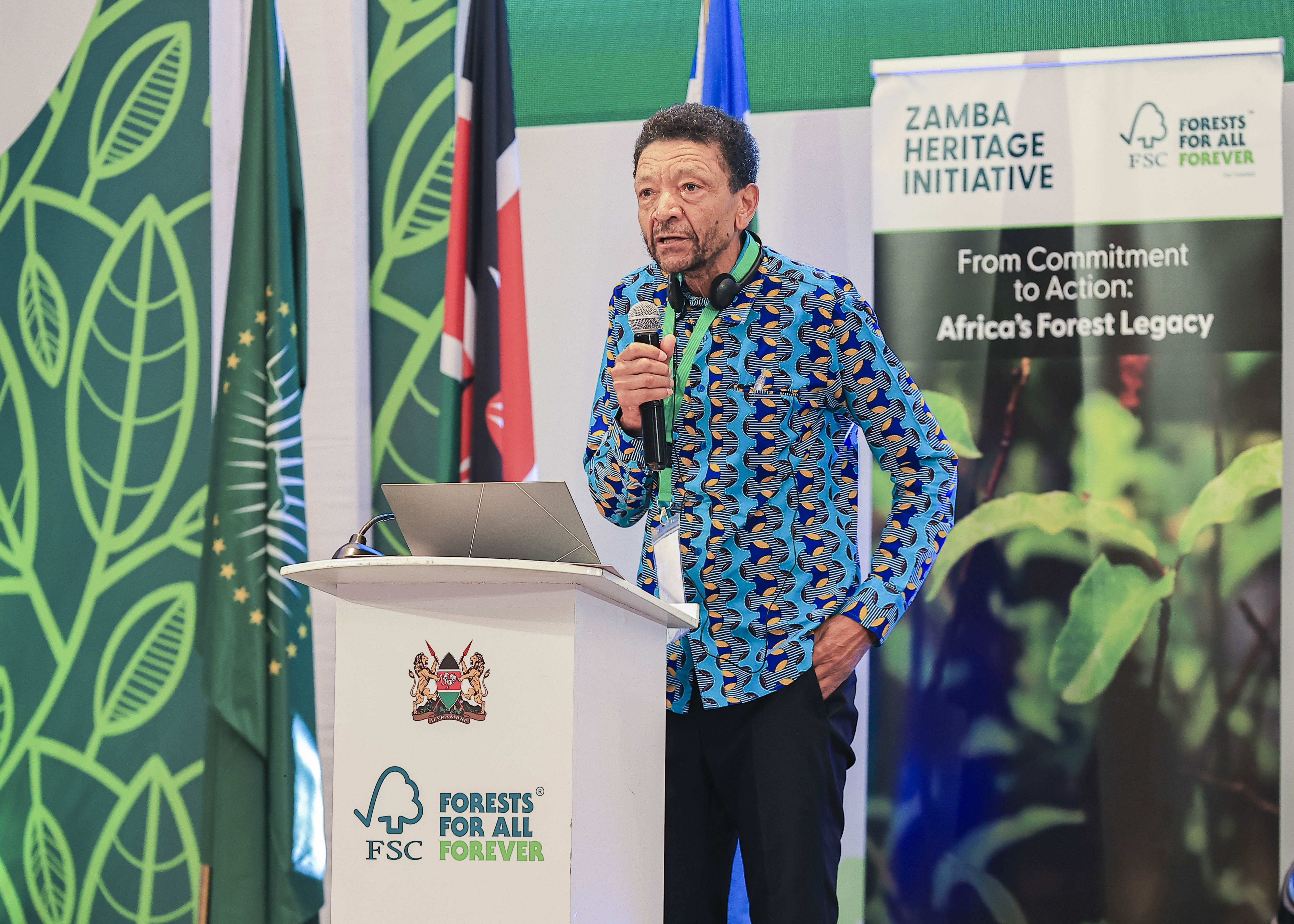
“Africa needs a vision for itself. If not, we become part of someone else’s vision,” he cautioned. He urged the Congress not to reduce forests to carbon credits alone, calling instead for integrated reform across agriculture, mining, finance, and governance.
Private sector engagement: forests as investable infrastructure
Private sector leaders—including Karen Kirkman (Criterion Africa Partners), Thabo Moloi (Industrial Development Corporation of South Africa), and Dorothy Suleh (New Forests)—reinforced this emerging investment logic. They positioned forests as long-term productive assets within Environmental and Social Governance (ESG)-aligned portfolios, viewing sustainable management as a compelling investment proposition rather than a compliance obligation.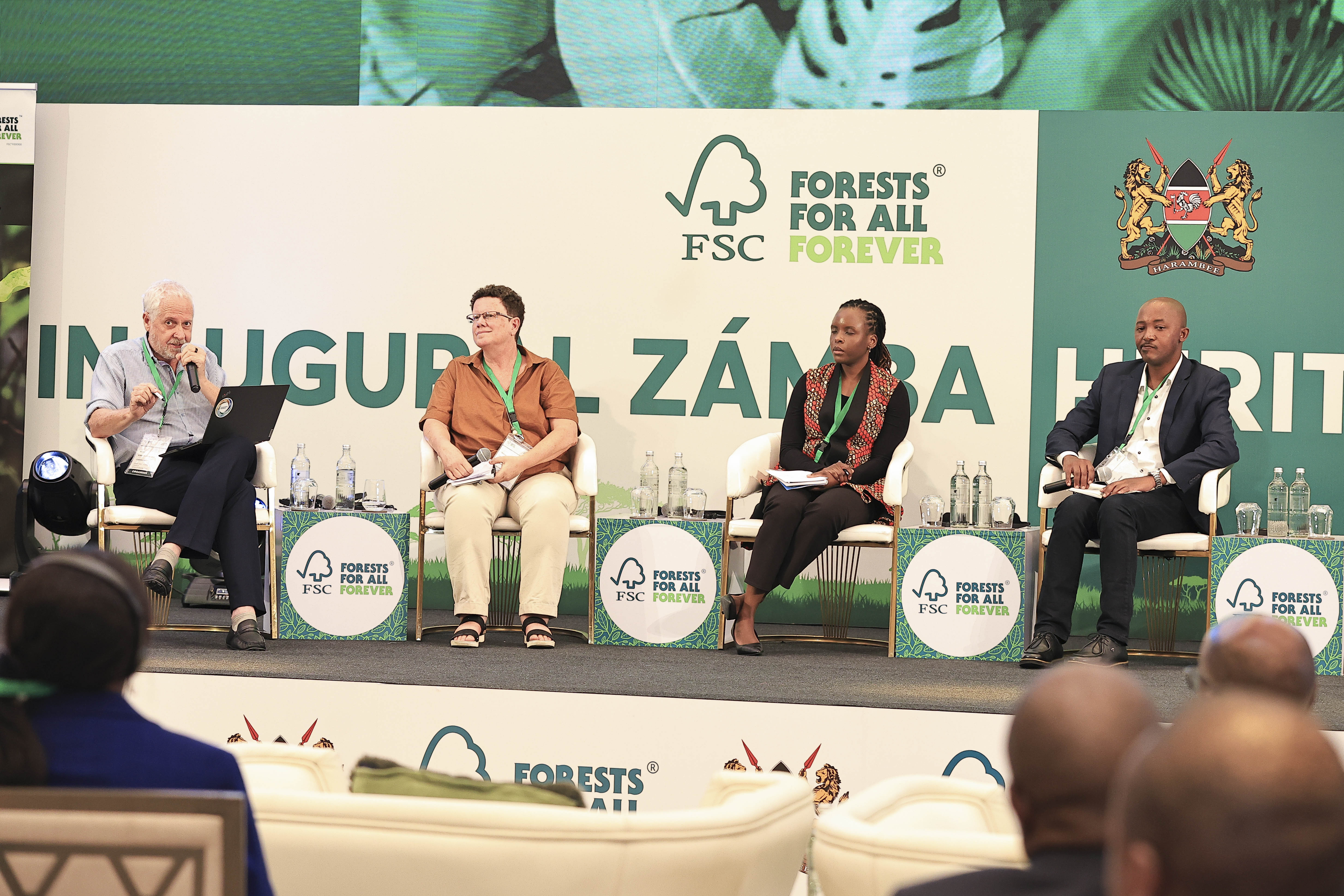
The panelists noted that while opportunities are vast, Africa must drive forest certification, strengthen traceability, and enhance digital monitoring. Furthermore, they emphasized bolstering local processing to multiply value within the continent.
Global and regional alignment: converging portfolios
The afternoon spotlight sessions featured a broad institutional convergence including UNEP, WWF, the African Forest Forum (AFF), the FAO, The Nature Conservancy, and EarthLungs.
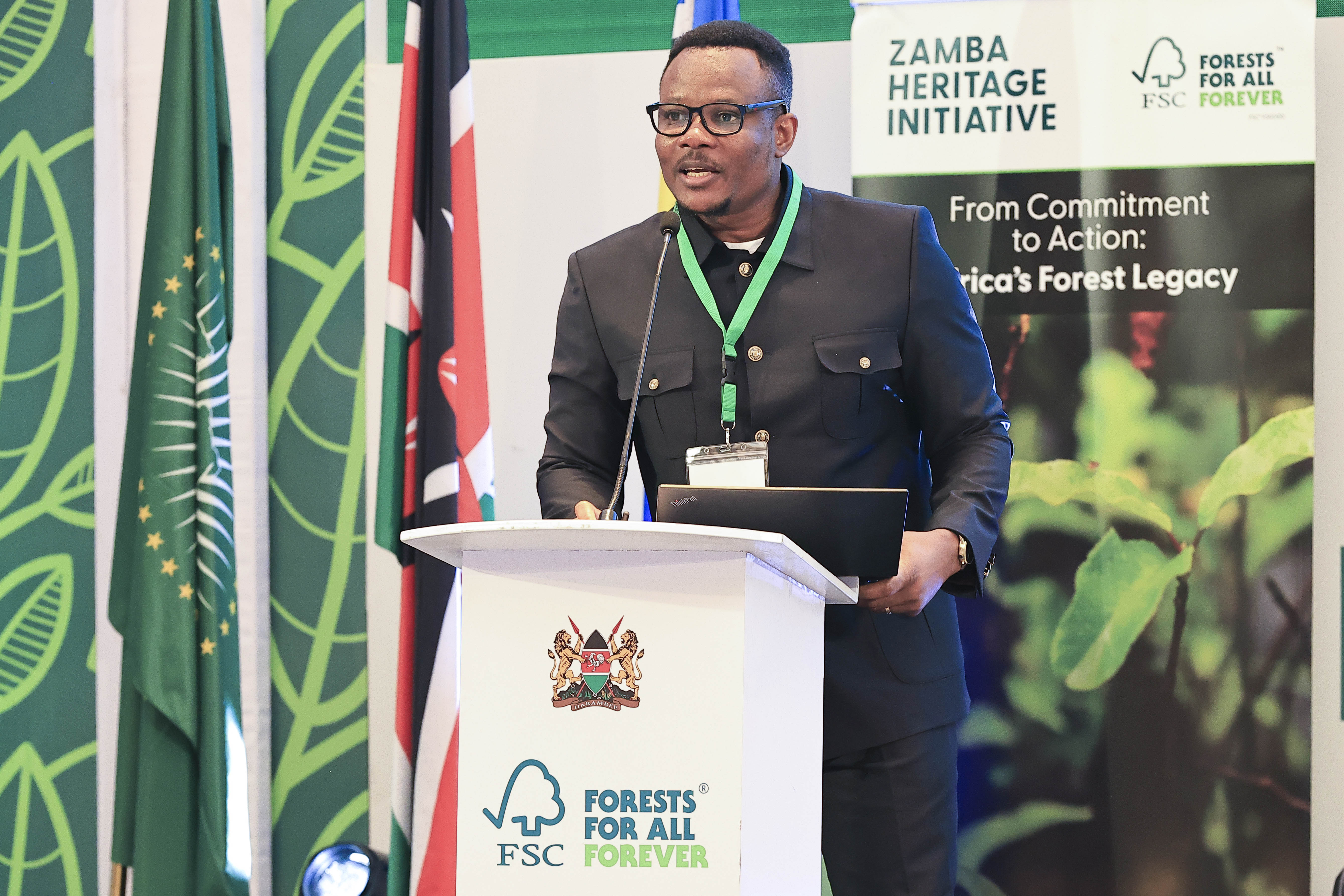 Key representatives demonstrated how recurring themes—landscape-scale restoration, community rights, and carbon-market readiness—align within a shared framework. Through this lens, the Zámba Heritage Initiative is evolving into a coordination platform linking political leadership, technical expertise, and financial innovation.
Closing reflections: from congress to coordination
Day 2 concluded with a final investment panel facilitated by Peter Gondo, featuring Professor Labode Popoola and Dr. Tefera Belay Endalamaw of the AFF. Their message was clear: Africa’s forests can attract significant capital, but only if governance, certification standards, and trade policy advance in unison.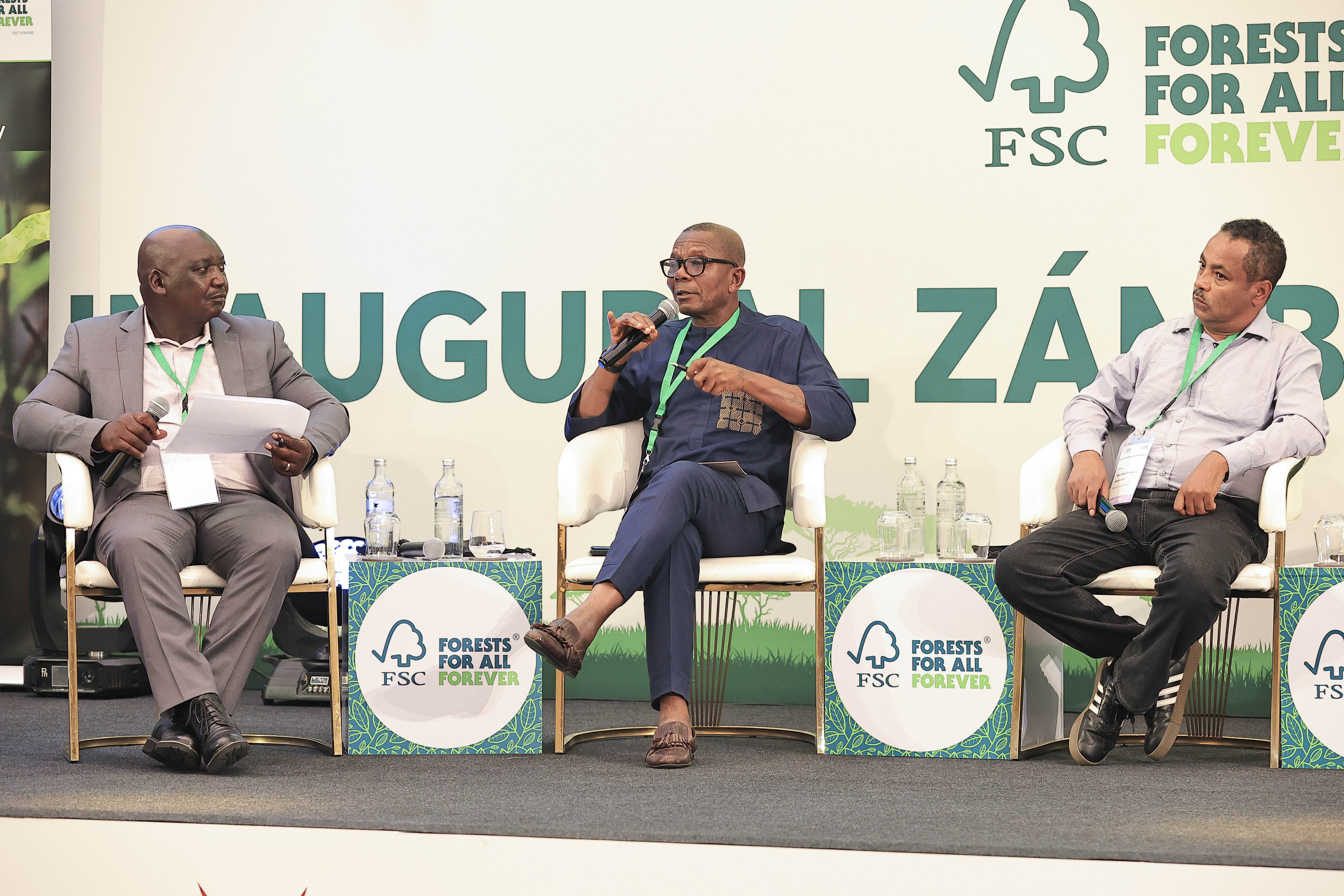
By the end of the day, the architecture was visible. Day 2 did not simply extend the conversation; it shifted the focus to the practical machinery of forest finance. The path is set: transforming forests into investable assets through certification, digital monitoring, and local industrial processing.
Download pictures of day 2 here.
Up next: Day 3
Videos of day 2
Summary video of day 2. This highlight reel captures the key moments of day 2.
This video presents the entire proceedings of Day 2.